
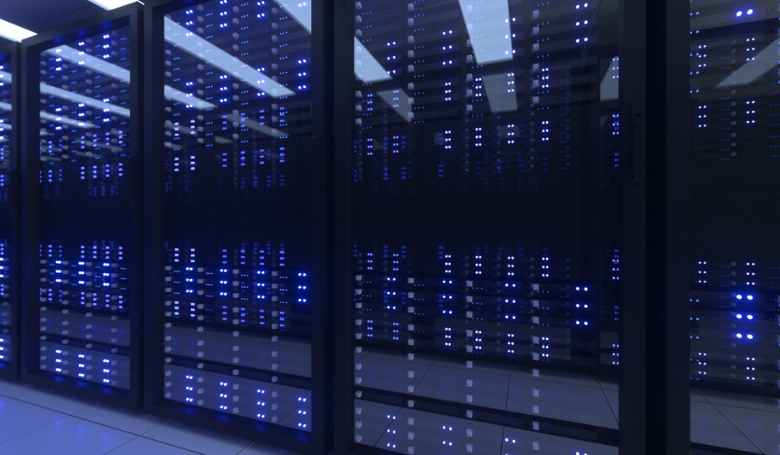
In the digital era, businesses increasingly rely on seamless data access, storage, and processing. At the core of this digital revolution lies the IDC Data Center, a facility designed to host critical IT systems, servers, and networking equipment. Understanding IDC data centers, their functionalities, and their benefits is crucial for organizations striving to achieve operational efficiency, security, and scalability.
What is an IDC Data Center?
An IDC (Internet Data Center) Data Center is a centralized facility that provides storage, management, and dissemination of data for enterprises and service providers. Unlike conventional server rooms, IDC data centers are designed with robust infrastructure, ensuring uninterrupted operations even during power outages or technical failures. They are engineered to handle massive data volumes while maintaining high security and operational efficiency.
IDC data centers typically include multiple layers of redundancy in power supply, cooling systems, and networking to ensure 24/7 uptime. They serve as the backbone for cloud services, enterprise applications, and online platforms, supporting the growing demands of digital transformation.
See also: How AI and Iot Are Changing Smart Homes Forever
Key Features of IDC Data Centers
- High Availability
IDC data centers are equipped with redundant power sources, backup generators, and failover networking. This ensures continuous operations, making them reliable for mission-critical applications. - Advanced Security
Security is a primary concern for IDC data centers. They implement multiple security layers including biometric access, CCTV surveillance, firewalls, and intrusion detection systems to protect sensitive data. - Scalability
Modern IDC data centers are designed to accommodate business growth. Organizations can easily scale their computing, storage, and networking resources without major infrastructure changes. - Efficient Cooling Systems
Maintaining optimal operating temperatures is crucial for high-performance computing equipment. IDC data centers utilize advanced HVAC (Heating, Ventilation, and Air Conditioning) and liquid cooling systems to prevent overheating. - Network Connectivity
These facilities provide high-speed connectivity and low-latency access, essential for cloud computing, content delivery networks, and real-time data processing. - Disaster Recovery
Many IDC data centers offer disaster recovery services to ensure business continuity in case of natural or man-made disruptions. Data replication and off-site backups are standard practices.
Types of IDC Data Centers
- Enterprise Data Centers
Built for a single organization, these centers cater to internal IT infrastructure needs, ensuring control, compliance, and security. - Colocation Data Centers
Organizations can rent space, power, and cooling in a shared facility, reducing capital expenditure while leveraging professional-grade infrastructure. - Cloud Data Centers
These IDC data centers are optimized to host cloud services, offering virtualized computing resources that can be scaled on demand.
Benefits of Using IDC Data Centers
- Operational Efficiency: IDC data centers enable businesses to focus on core operations while outsourcing infrastructure management.
- Cost Savings: Colocation and cloud-based IDC solutions reduce capital expenses related to building and maintaining in-house data centers.
- Security & Compliance: These centers follow industry best practices, ensuring adherence to regulatory requirements and protecting sensitive information.
- Business Continuity: Advanced disaster recovery solutions minimize downtime and data loss.
- Global Reach: With multiple data centers, businesses can ensure faster access and lower latency for customers worldwide.
Challenges in IDC Data Centers
While IDC data centers offer numerous benefits, they also present some challenges:
- High Energy Consumption: Data centers require significant power and cooling, leading to increased operational costs.
- Maintenance Complexity: Continuous monitoring and maintenance are required to prevent system failures.
- Initial Investment: Building or leasing premium IDC infrastructure can be capital-intensive.
FAQs About IDC Data Centers
1. What does IDC stand for in IDC Data Center?
IDC stands for Internet Data Center, a facility that provides infrastructure and services for data storage, management, and processing.
2. How secure are IDC data centers?
IDC data centers implement advanced security measures including biometric access, CCTV monitoring, firewalls, and regular audits to protect data.
3. Can small businesses use IDC data centers?
Yes, colocation and cloud-based IDC solutions make these centers accessible for businesses of all sizes.
4. What is the difference between a regular server room and an IDC Data Center?
IDC data centers have robust infrastructure, redundancy, and security, while server rooms are limited in capacity and lack advanced failover mechanisms.
5. How do IDC data centers ensure uptime?
Through redundant power systems, backup generators, failover networks, and disaster recovery protocols.
Conclusion
The IDC Data Center is the cornerstone of modern IT infrastructure, providing businesses with reliable, scalable, and secure solutions for managing their data. With advanced technology, high availability, and disaster recovery capabilities, IDC data centers empower organizations to thrive in the digital landscape. By leveraging these facilities, businesses can achieve operational efficiency, reduce costs, and ensure uninterrupted services for their customers.


